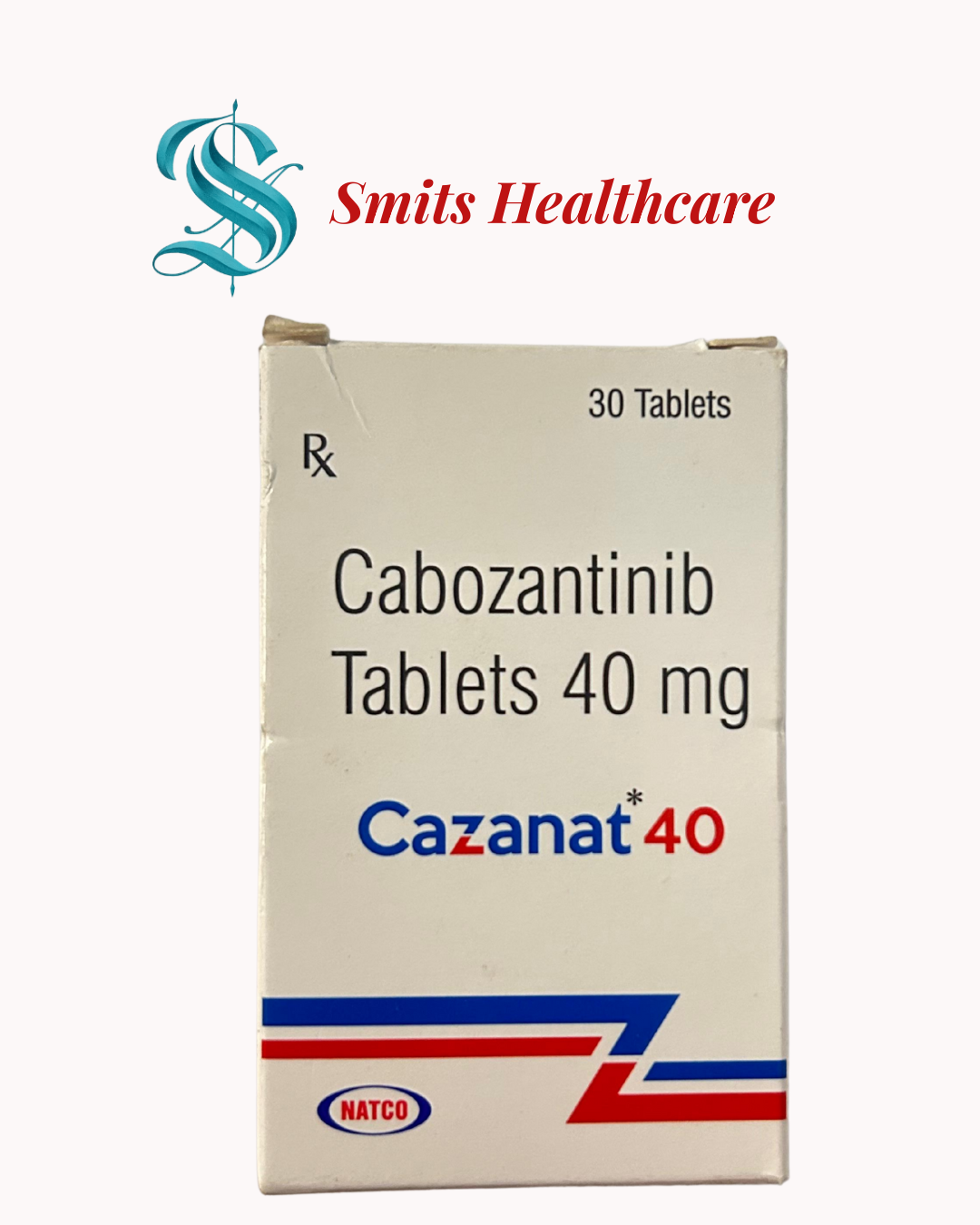
Cazanat contains Cabozantinib, which is an oral anticancer medicine belonging to the class of tyrosine kinase inhibitors. It is mainly prescribed for certain advanced cancers like kidney cancer, liver cancer, and thyroid cancer. By targeting specific growth signals in cancer cells, Cazanat helps slow down tumor growth and spread.
Mechanism of action:
Cabozantinib works by blocking multiple tyrosine kinases, including VEGFR, MET, and RET. These enzymes play a key role in tumor cell growth, blood vessel formation (angiogenesis), and spread of cancer cells. By inhibiting these pathways, Cazanat reduces the supply of nutrients to tumors and directly prevents cancer cell survival and metastasis.
Uses:
-
Advanced renal cell carcinoma (kidney cancer)
-
Hepatocellular carcinoma (liver cancer) after prior treatment with sorafenib
-
Medullary thyroid carcinoma (thyroid cancer that cannot be removed by surgery or has spread)
-
Sometimes used in combination with other drugs for better outcomes in kidney cancer
Adverse effects:
Common side effects include diarrhea, nausea, vomiting, loss of appetite, weight loss, fatigue, and mouth sores. Patients may also develop high blood pressure, hand-foot syndrome (redness, pain, swelling in palms/soles), or altered liver function. Serious but less common effects include bleeding, blood clots, wound healing problems, perforation in the stomach/intestine, and severe infections.