
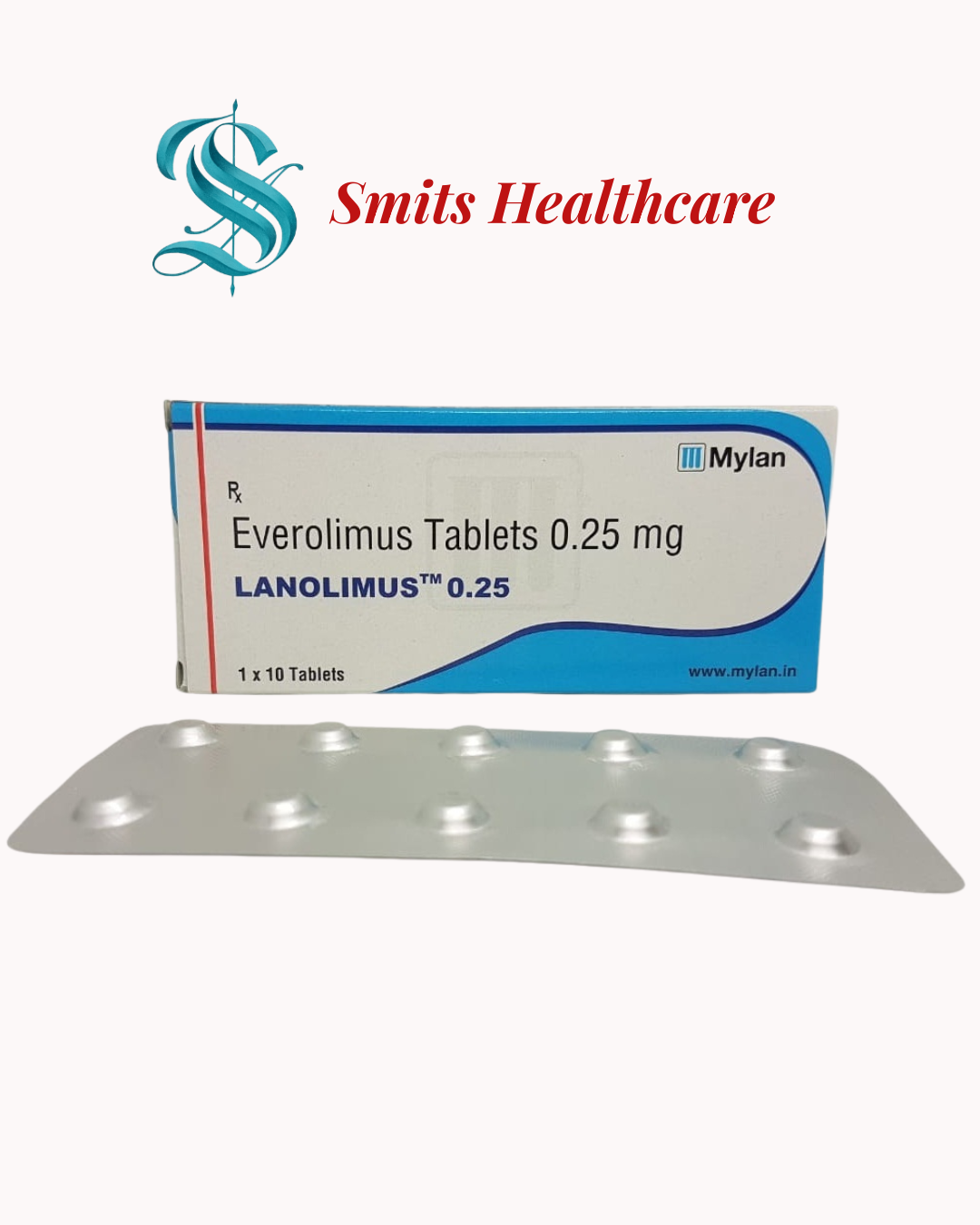
Lanolimus contains Everolimus, an oral anticancer and immunosuppressive medicine. It belongs to the class of drugs known as mTOR (mammalian target of rapamycin) inhibitors. Lanolimus is used in the treatment of certain cancers and also for preventing organ transplant rejection. By blocking cancer growth signals and controlling immune activity, it helps in both oncology and transplant care.
Mechanism of action:
Everolimus works by inhibiting the mTOR pathway, which is important for cell growth, proliferation, and survival. In cancer, blocking mTOR slows tumor cell growth and reduces blood vessel formation (angiogenesis). In transplant patients, it suppresses the immune response to prevent the body from attacking the transplanted organ.
Uses:
-
Advanced kidney cancer (renal cell carcinoma)
-
Breast cancer (hormone receptor-positive, HER2-negative, in certain patients)
-
Neuroendocrine tumors of the pancreas, lung, or gastrointestinal tract
-
Subependymal giant cell astrocytoma (SEGA) in tuberous sclerosis
-
Renal angiomyolipoma in tuberous sclerosis
-
Prevention of organ transplant rejection (in combination with other immunosuppressants)
Adverse effects:
Common side effects include mouth ulcers, cough, rash, weakness, loss of appetite, nausea, and diarrhea. It can also cause infections due to lowered immunity, high cholesterol, high blood sugar, delayed wound healing, and swelling. Serious risks include lung inflammation (non-infectious pneumonitis), kidney or liver function problems, and increased risk of bleeding or secondary cancers.